Of all the curses that populate the Argentine and South American imagination, none is as tragic and visceral as that of the Lobizón. Unlike the European werewolf, often the product of an infectious bite, the Lobizón is a victim of a genealogical destiny, a condemnation imposed by birth order. The legend, brought by immigrants and blended with the Guaraní fear of jungle beasts, decrees that the seventh consecutive male child, without any girl being born in between, will inevitably turn into this beast upon reaching adolescence.
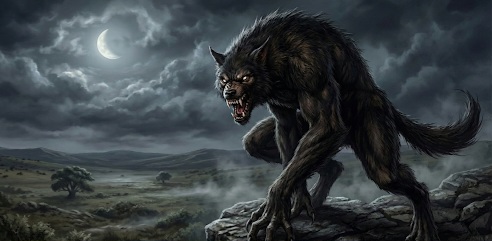
The Lobizón is not an elegant, fierce wolf like those in Hollywood movies. It is a grotesque creature, a nightmarish hybrid. It is described as an enormous, ungainly black dog with disproportionately large ears that droop over its face, and paws that mix animal claws with human hands. Its eyes are red, bloodshot and fiery, and foul-smelling foam emanates from its mouth. It does not howl melancholically at the moon; it emits a guttural sound, a mix of barking, howling, and human lament that chills the blood of local dogs, who, it is said, are the only ones who can detect its presence before humans.
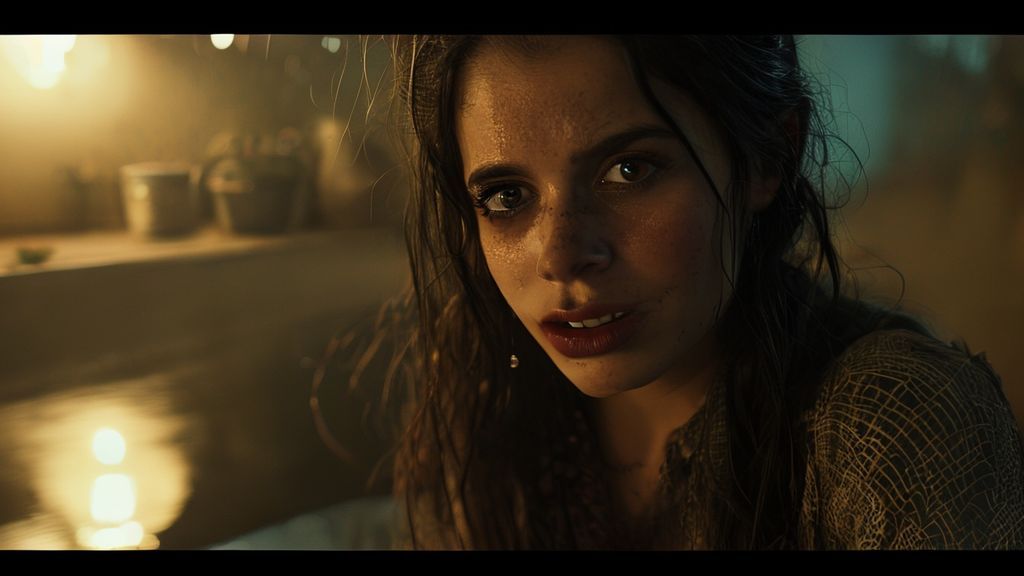
The transformation occurs on full moon Fridays. As night falls, the cursed young man feels an unbearable restlessness, a fever that burns his skin and bones. He must distance himself from his home, seek the solitude of the wilderness or a crossroads, and there, wallowing in sand, dust, or even animal dung, his body breaks and remakes itself into the form of the beast. It is a painful and dirty process. Once transformed, the Lobizón loses human consciousness and surrenders to voracious instinct.
Its diet is as abject as its appearance. The Lobizón does not hunt noble live prey; it is a scavenger. It feeds on filth, dead chickens, garbage, and most chillingly: it has a predilection for cemeteries. It is said to dig into hallowed ground to feed on recent corpses and the bones of the deceased. This desecration makes it a figure doubly feared and hated by the community. It is also believed to attack unbaptized children, a belief that reinforced the need for early baptism in rural areas.
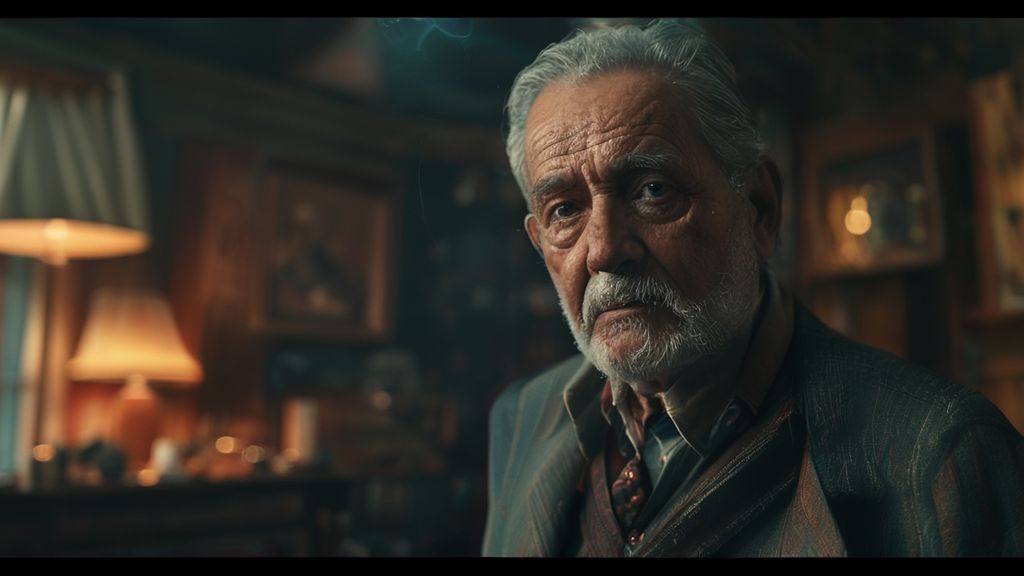
The drama of the Lobizón lies in the fact that, at Saturday's dawn, the beast regains its human form, but the man remains marked. He appears naked, dirty, wounded, with deadly exhaustion and no clear memory of what happened, though with a bitter taste in his mouth and an inexplicable guilt. Neighbors often identify the Lobizón by its sickly appearance, its thinness, its pale and yellowish skin, and its reclusive, sad demeanor. He is a pariah within his own community, someone viewed with suspicion and pity.
To break the curse or kill the beast, conventional weapons are useless. As in European tradition, a blessed silver bullet or a cross-shaped machete is needed. However, the Argentine tradition adds a cruel detail: if you manage to wound the Lobizón but not kill it, the curse can be transferred, or the animal will regain its human form before your eyes, revealing the identity of the cursed neighbor or family member.
The social impact of this legend was so real and profound in Argentina that it gave rise to a unique custom worldwide: Presidential Godfathership (Padrinazgo Presidencial). In the early 20th century, news arrived of Russian and German Volga immigrants who, terrified by the possibility of their seventh son being a werewolf, abandoned or sacrificed their babies. To stop this barbarity and protect the children, the Argentine State legally instituted that the seventh male child (and later also the seventh female child, to avoid witchcraft accusations) would be godchild to the President of the Nation. This symbolic act, which includes a gold medal and a scholarship, sought to 'break' the magical curse with state and religious protection, legitimizing the child and ensuring their integration into society.
Today, although science and modernity have displaced superstition, in the towns of the interior, when a large, strange dog crosses the street on a full moon night and the neighborhood dogs go wild with fear, no one dares to go out and check what it is. Just in case, doors are double-locked and prayers are said, because the shadow of the Lobizón, the cursed seventh son, remains long in the collective memory.