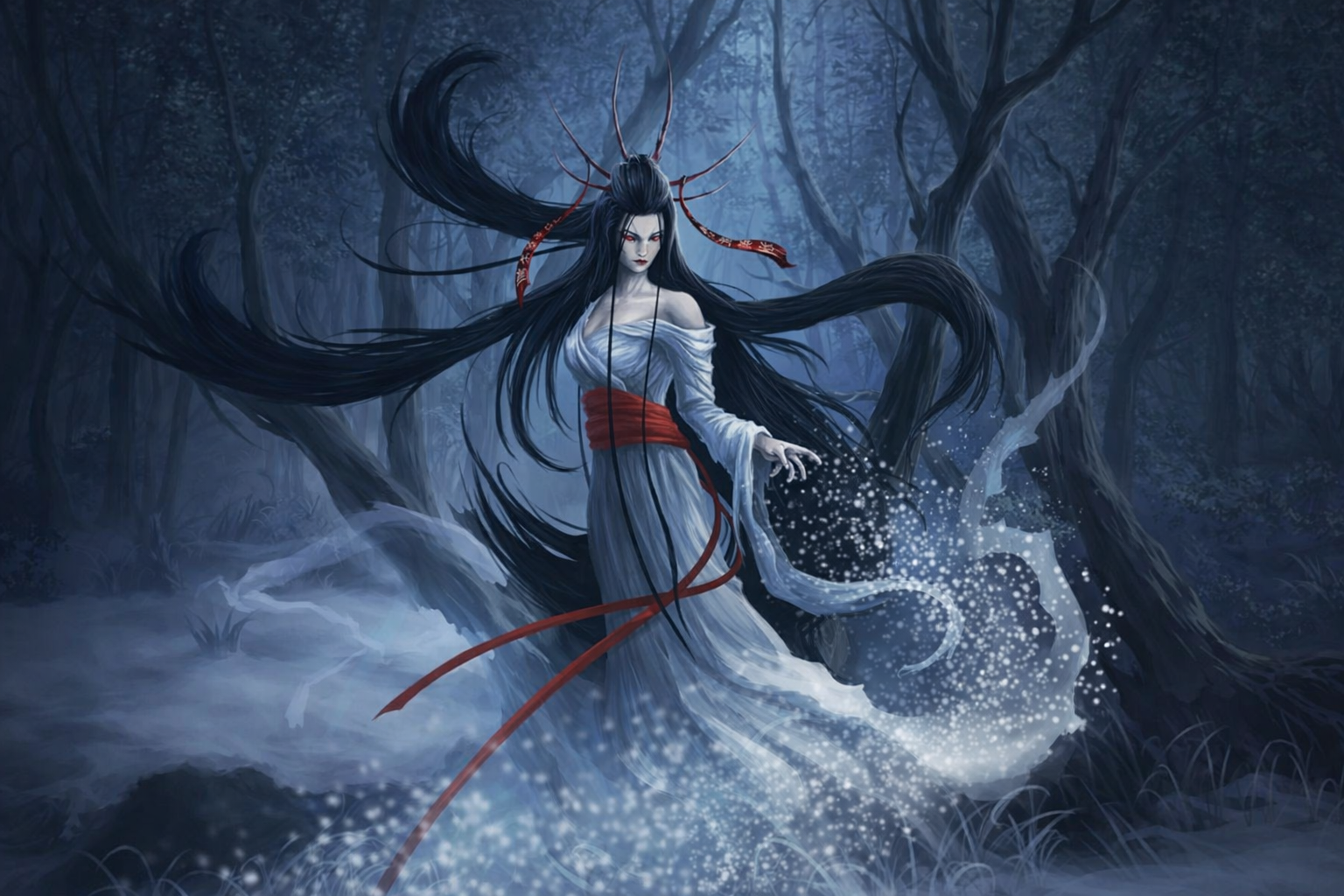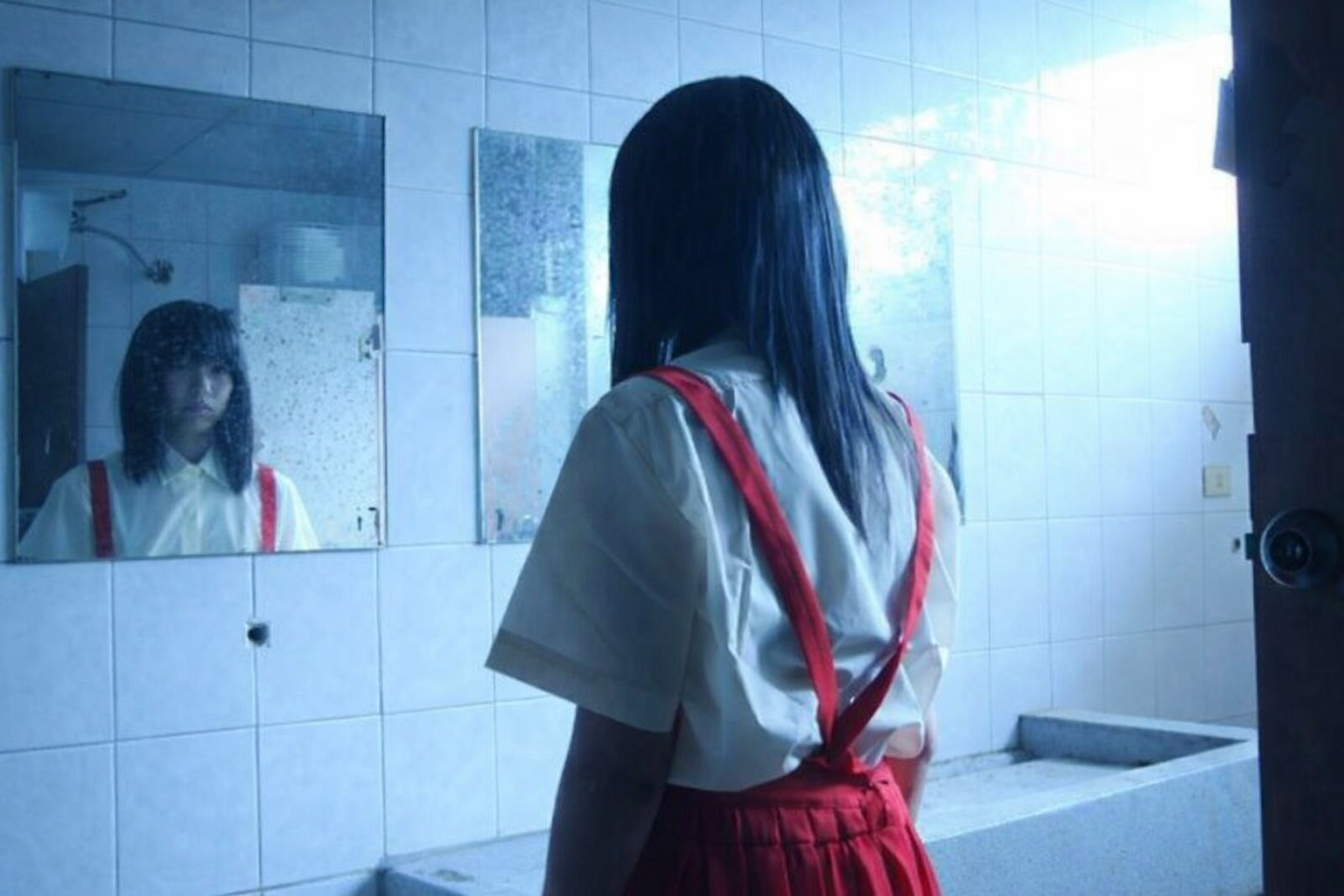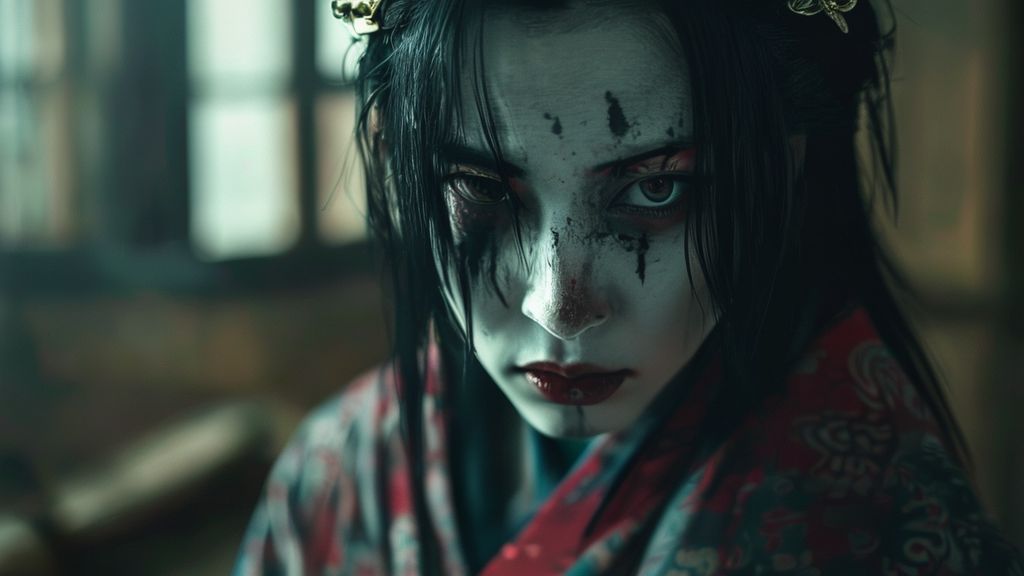
In the shadows of modern Tokyo and Kyoto's alleys, where neon lights flicker, a figure walks, representing Japanese social anxiety in its purest form: the Kuchisake-onna, or 'Slit-Mouthed Woman'. Although classified as an urban legend today, its roots may date back to the Edo or Heian period, transforming with each generation. However, its media explosion occurred in 1979, causing mass panic that forced schools to send children home in protected groups escorted by teachers and police.
The narrative is chillingly simple and ritualistic. A tall, beautiful woman with long black hair and dressed in a coat approaches a solitary child or student at dusk. Wearing a surgical mask, a common accessory in Japan to prevent colds, she blends in with the crowd without arousing suspicion. In a soft voice, she asks: 'Watashi kirei?' ('Am I beautiful?'). If the victim responds 'No', the woman kills them instantly with enormous tailor's scissors. If the victim responds 'Yes', the woman slowly lowers her mask, revealing her mouth has been cut from ear to ear in a grotesque, bloody grin, full of sharp teeth, and asks again: 'And now?'. If the victim screams or says 'No', they are cut in half. If they say 'Yes', the woman cuts their mouth to resemble hers.
Anthropologically, the Kuchisake-onna embodies the fear of pressure to conform to appearance and social norms. Her origin is often attributed to a samurai's wife who, vain and unfaithful, was mutilated by her jealous husband ('Who will believe you're beautiful now?'). In the modern era, it also reflects the fear of failed plastic surgeries and loss of identity behind the 'social mask' (honne and tatemae). Curiously, children developed 'antidotes' to survive the encounter: responding with ambiguity ('You're average'), throwing hard candies (bekko ame) to distract her, or asking if *they* are beautiful, confusing the spirit and gaining time to escape. It's a myth that refuses to die, adapting to the aesthetic fears of each era.