In Chinese mythology, death is not the end, but the beginning of a complex and frightening bureaucratic process, presided over by King Yan (Yanluo Wang). He is not a demon or a malevolent figure like the Christian Devil; he is a magistrate, a supreme judge of the Underworld (Diyu) responsible for maintaining cosmic order. His origin is a mix of the Hindu deity Yama (introduced by Buddhism) and local Taoist traditions.
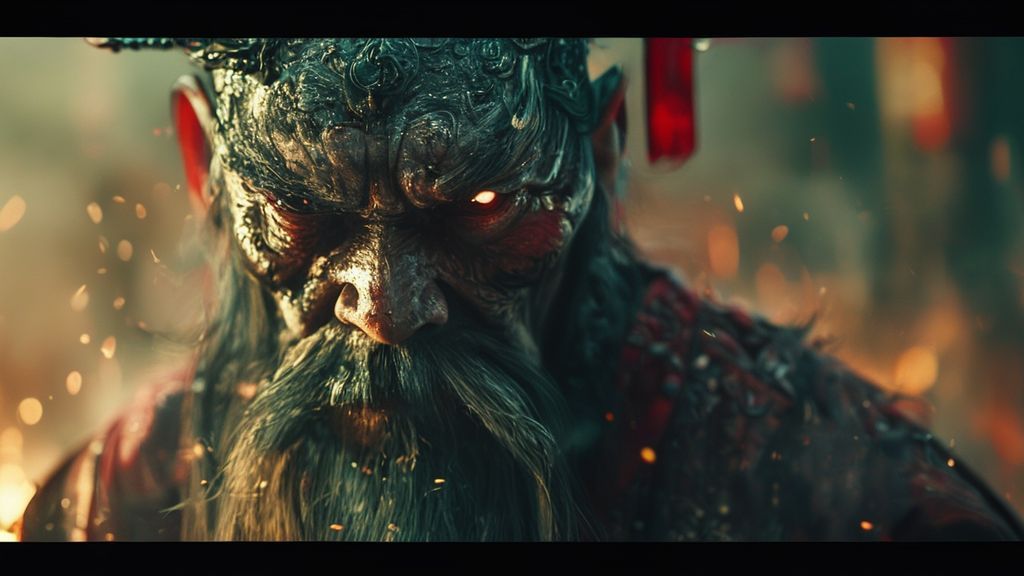
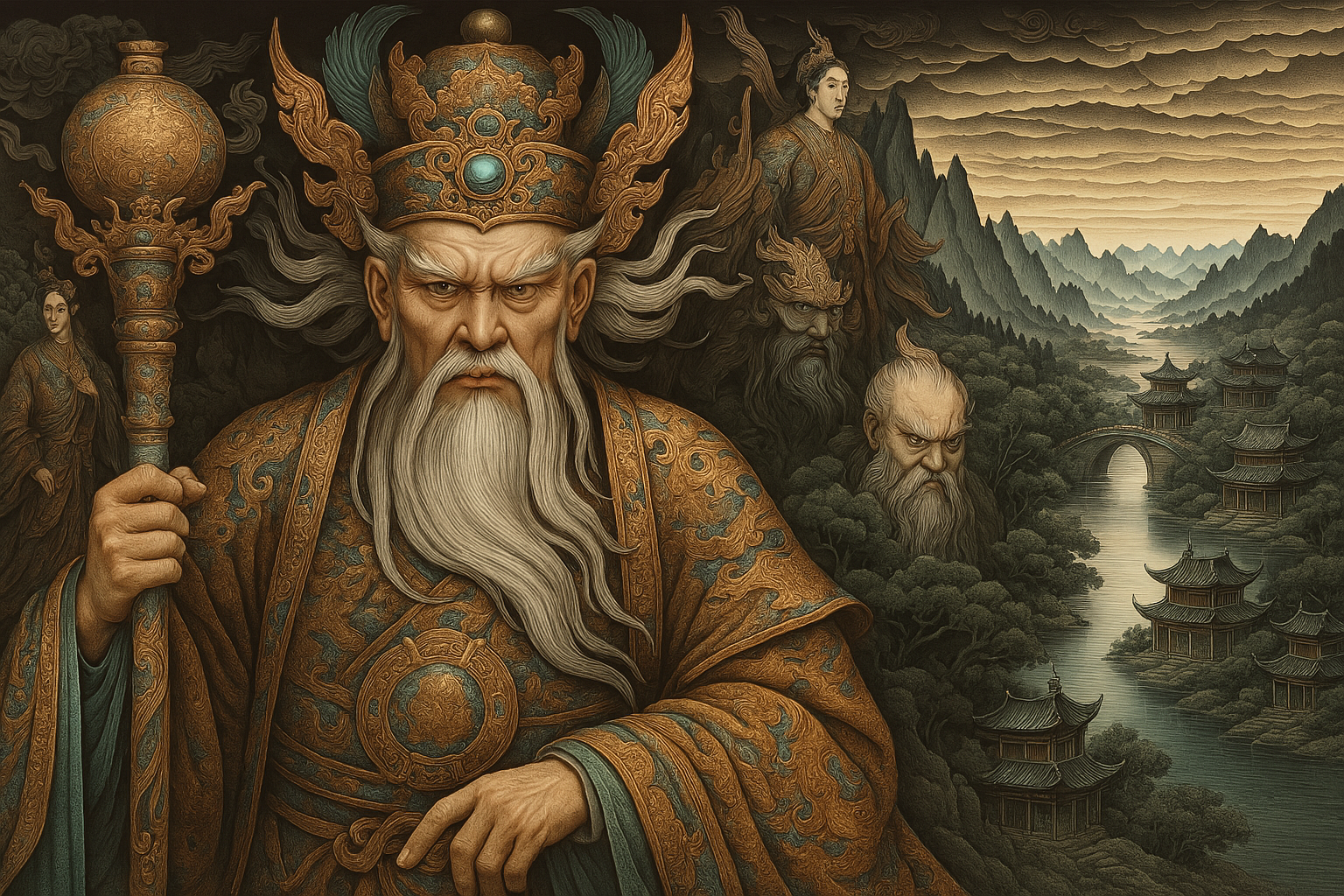
King Yan is represented as a man with a formidable face, dark red skin, bulging eyes, and a long black beard, dressed in imperial robes. On his desk, he has a massive book containing the date of death of every living being and a detailed record of all their actions. When a soul arrives before him, King Yan judges it with absolute impartiality. There are no lawyers or possible lies; the 'Karma Mirror' reflects the truth of the deceased's life.
The Diyu that he administers is a place of didactic nightmare, divided into Ten Courts and 18 levels of hell, each with specific punishments for specific sins (the Mountain of Needles, the Boiling Oil Cauldron, the Disembowelment Chamber). However, unlike the eternal Western Hell, Diyu is a temporary purgatory. Souls suffer to purify their karma before drinking Grandma Meng's Soup of Forgetfulness and reincarnating. King Yan is, therefore, a figure of justice and hope. His legend teaches that no act, good or bad, goes unnoticed, and that the universe has a strict moral accounting.