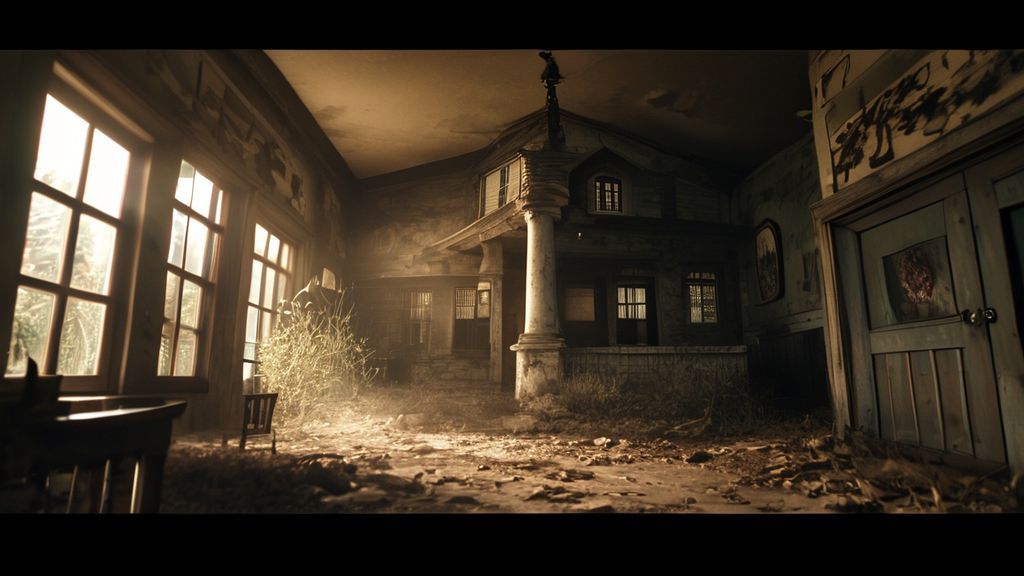
At 112 Ocean Avenue in Amityville, Long Island, stands a Dutch Colonial house with distinctive quarter-moon windows that appear like eyes watching the street. This structure is the setting for the most famous and controversial ghost story of the 20th century in the United States. The legend is rooted in an undeniable real tragedy: on November 13, 1974, Ronald DeFeo Jr. shot and killed his parents and four siblings as they slept in that house. DeFeo claimed 'voices' in the house commanded him to do it.
A year later, the Lutz family (George, Kathy, and their three children) bought the house at a bargain price, knowing the crime that had occurred there. They lasted only 28 days. They fled in terror, leaving all their possessions behind, claiming the house was possessed by demonic forces. The Lutzes recounted terrifying phenomena: clouds of flies in mid-winter, cold spots, odors of excrement and cheap perfume, a gelatinous green substance oozing from the walls, Kathy's levitation, and the transformation of George's personality, who awoke every night at 3:15 AM, the exact time of the DeFeo murders.
The Amityville story became a massive cultural phenomenon, generating books and films. Although skeptics and investigators have questioned much of the Lutz's account, suggesting it was a fraud for financial gain, the legend persists. Amityville struck a sensitive chord in the American psyche: the corruption of the 'American Dream.' The idea that the perfect home, the great family investment, can be a death trap. The house is not just a haunted building; it's a malignant organism that absorbs violence and repeats it. It symbolizes the fear that past sins (the murders) remain ingrained in the walls, infecting new inhabitants. Whether fraud or reality, Amityville defined modern domestic horror.