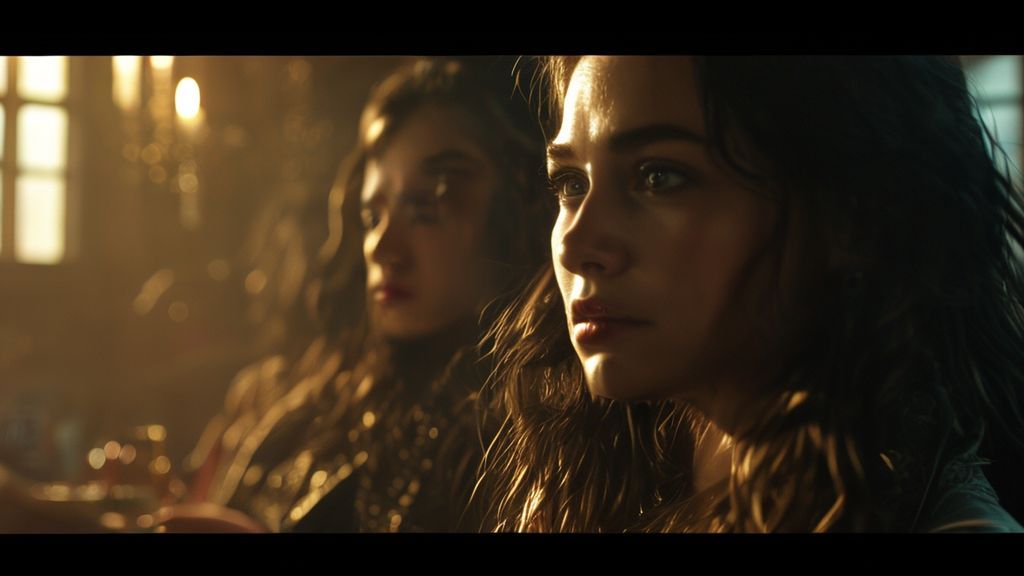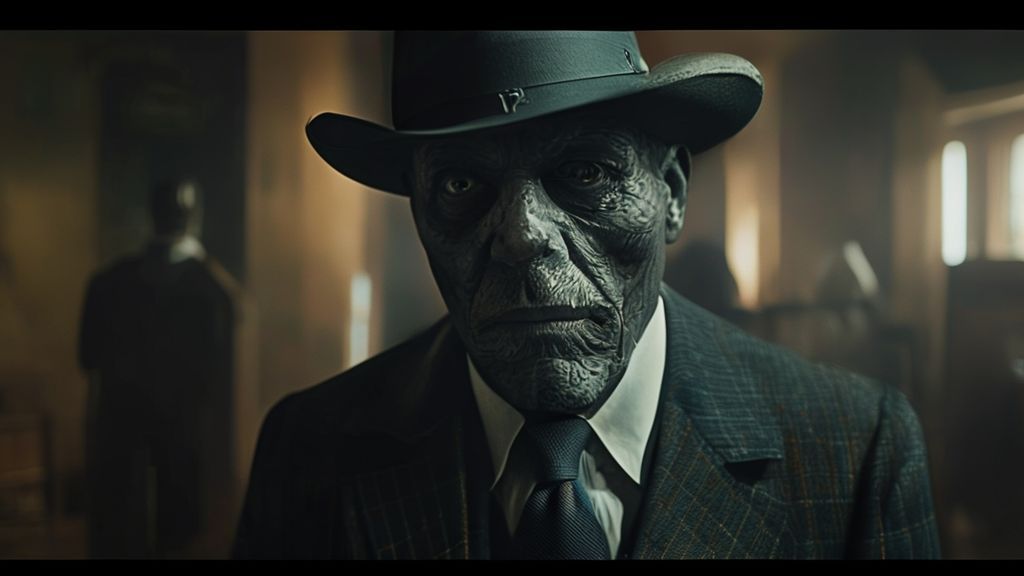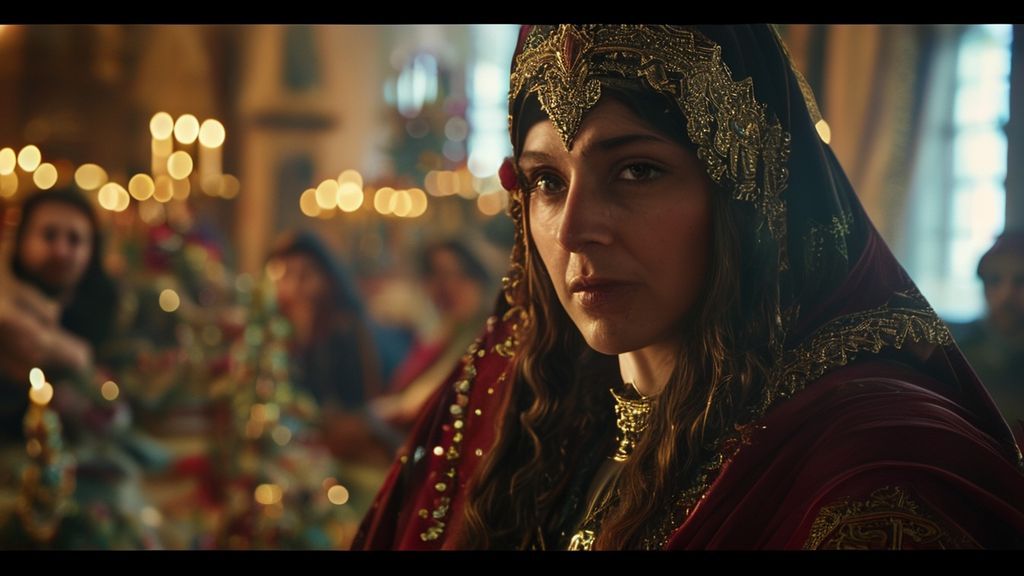
In the misty lands of Galicia, northwest Spain, where Celtic culture intertwines with Catholicism, a reverential dread empties the rural roads after midnight: the Santa Compaña (The Holy Company). It's not a solitary ghost, but a procession of tormented souls, a host of specters that traverses the 'corredoiras' (old cart paths) and pauses at 'cruceiros' (traditional stone crosses at crossroads) to claim the living or foretell an imminent death.
The procession consists of hooded figures dressed in white tunics resembling shrouds. They walk in absolute silence or murmur unintelligible prayers, carrying wax candles that, strangely, remain lit despite the region's common wind and rain. In their wake, they leave an unmistakable scent of burnt wax and sepulchral dampness. But the legend's cruelest detail is its leader. The Santa Compaña is not guided by a dead person, but by a living one: an unfortunate individual (the 'procesionario') condemned to walk in a trance at the head of the procession, bearing a heavy cross or a cauldron of holy water.
This living leader remembers nothing upon waking but daily wastes away. Their pallor increases, and their strength mysteriously wanes, as they are compelled to guide the souls each night. The only way to break free from this curse is to encounter another unsuspecting person on the path and pass them the cross, thereby transferring the condemnation. For historians and anthropologists, the Santa Compaña is a direct survival of Indo-European 'Wild Hunt' myths, Christianized over centuries. It serves as a constant reminder of the community with the Afterlife; in Galicia, the boundary between the living and the dead is permeable. Should one have the misfortune of crossing its path, tradition dictates drawing a circle on the ground (Solomon's circle), lying face down and praying, or feigning death, as the souls ignore those who resemble them.