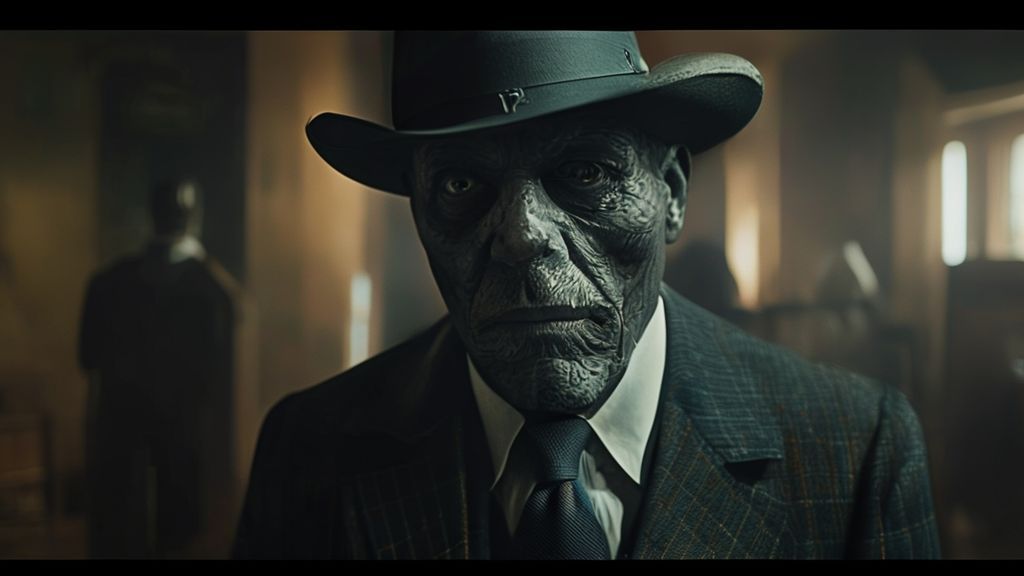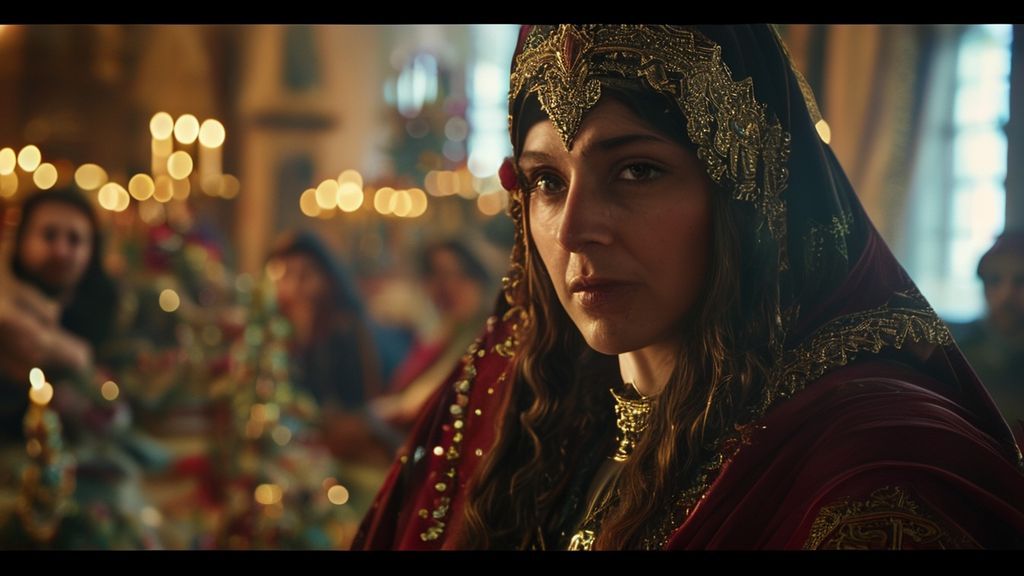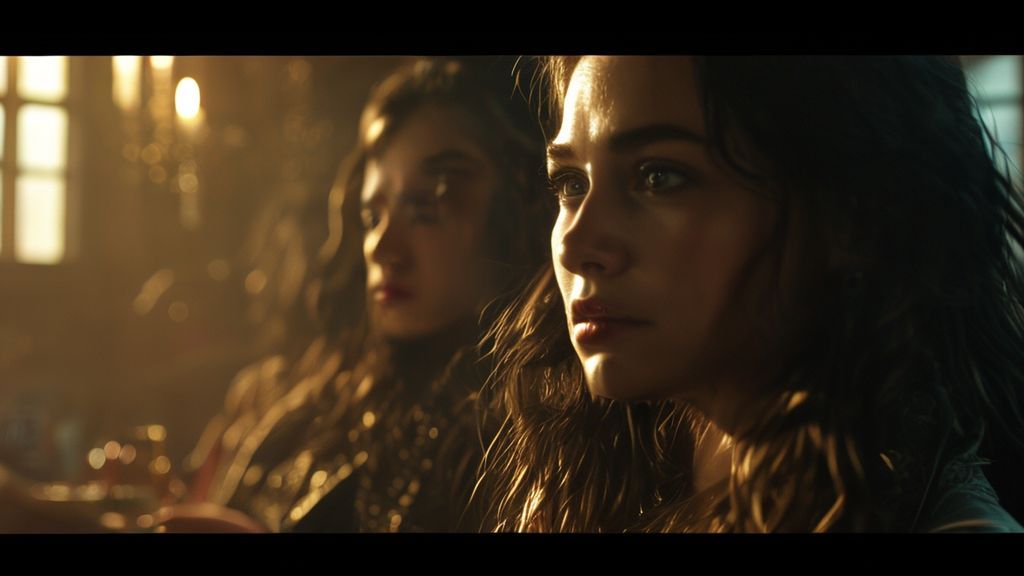
Galicia is a land of mysteries, and its most famous saying, 'Eu non creo nas meigas, pero haberlas, haylas' (I don't believe in witches, but they exist), encapsulates the ambiguous regard for these figures. Unlike the witch hunts prevalent in the rest of Europe, where witches were seen purely as servants of Satan, the figure of the Meiga in Galicia is far more complex and nuanced, deeply rooted in ancestral wisdom and Celtic druidism.
It's important to distinguish between the 'Meiga' and the 'Bruxa' (a more generic term for witch). The Meiga is typically the wise woman of the village, knowledgeable about herbs, lunar cycles, and natural remedies. She is the healer (or 'menciñeira') whom villagers consult to cure the 'evil eye,' treat livestock, or assist in childbirth. However, her power is also feared because it is double-edged: one who knows how to heal also knows how to sicken. Different types of Meigas exist in popular folklore: the 'Meiga Chuchona' (who sucks children's blood and transforms into an insect), the 'Asumcorda' (a spy for other witches), or the 'Vedoria' (with powers of divination).
Historically, the Inquisition had less sway in Galicia than elsewhere, partly due to geographical isolation and the deep roots of these beliefs. The Meiga represents the cultural resistance of a people who, though Christianized, never fully abandoned their connection to nature and the magical. Amulets like the figa (a closed fist with the thumb between the fingers), the use of garlic, and the 'conxuro' ritual of the Queimada are defenses and celebrations that keep this identity alive. The Meigas are the guardians of an oral tradition that modern science tried but failed to erase; they are a symbol of feminine power operating in the shadows of a rural society.