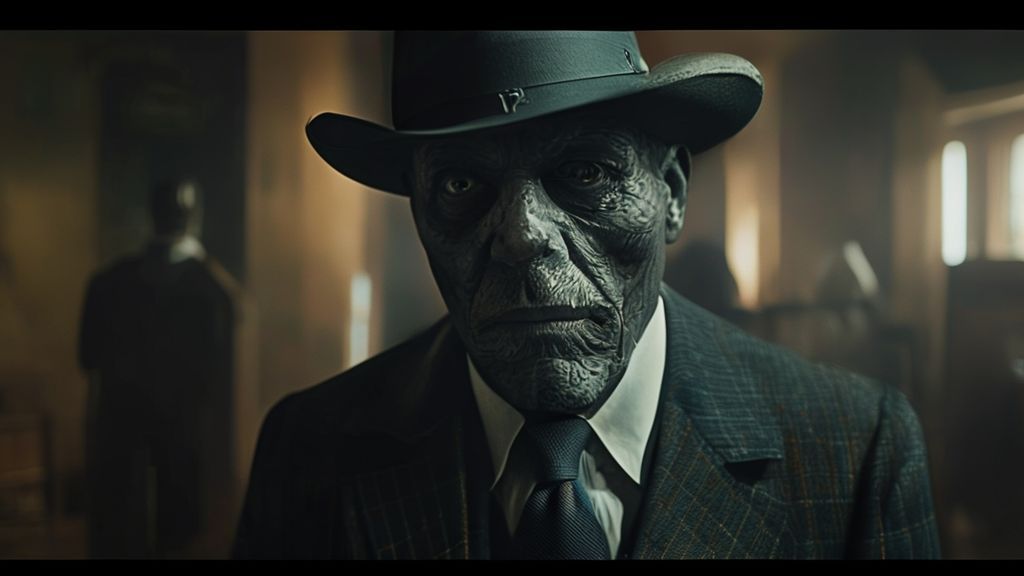
The 'Hombre del Saco' is the archetypal figure of childhood fear in Spain, used for generations to induce obedience. The threat 'behave well or the Sack Man will come and take you away' resonates in the memory of millions. However, what many ignore is that this 'bogeyman' has a spine-chilling and real historical origin, based on the dark chronicle of a superstitious and poor Spain in the 19th and early 20th centuries.
The legend feeds on real cases of kidnappers and murderers, but the most infamous is the crime of Gádor (Almería) in 1910. At that time, there was a popular and absurd belief that the blood and fat of healthy children could cure tuberculosis, a deadly and common disease then. A local healer, Francisco Leona, convinced a rich and sick man that this was his only cure. To do so, they kidnapped a child, Bernardo González, put him in a sack, and brutally murdered him to extract his fluids. This type of criminals, known as 'sacamantecas', were very real.
Over time, the figure of the real criminal faded and became the monster of folklore: an old man, with a tattered appearance and a menacing gaze, who roams the streets at dusk with a burlap sack on his shoulder where he puts the children who stray from their parents or disobey. Unlike ethereal ghosts, the Sack Man is terrifyingly physical and human. He represents the danger of the stranger, the predator lurking at the limits of home security. It is a legend born from the brutality of ignorance and transformed into a pedagogical tool of fear.