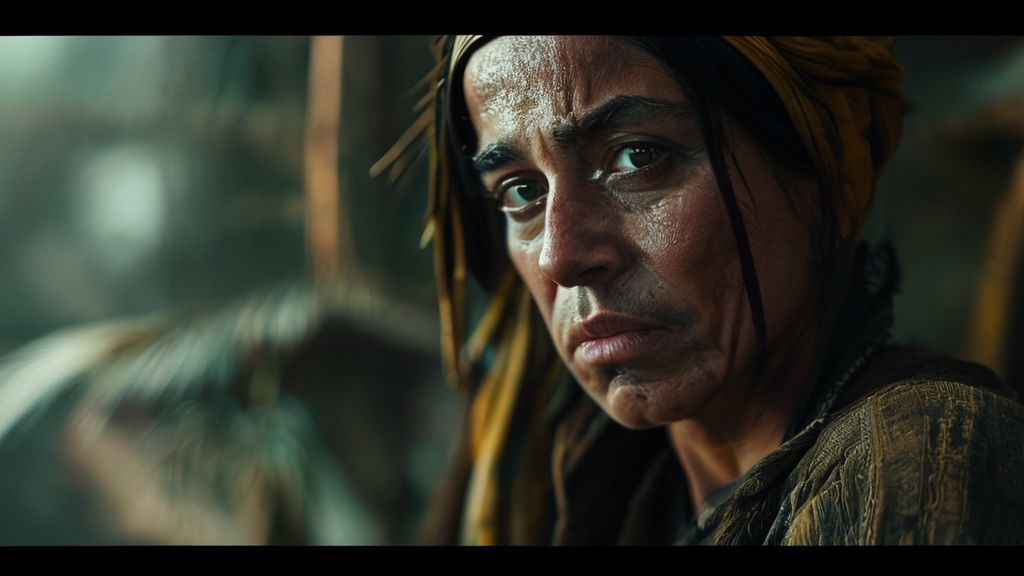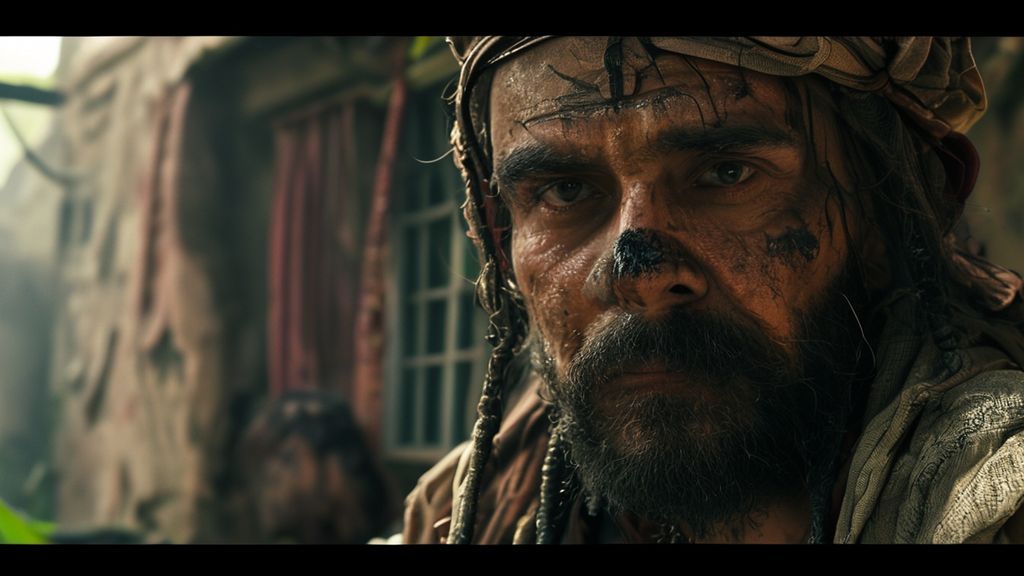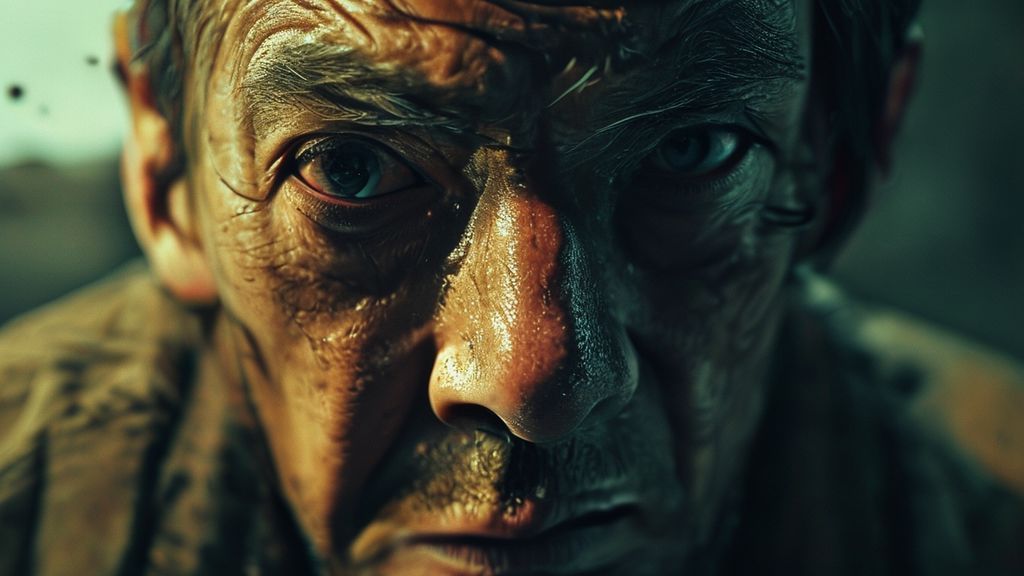
To understand the Muki, one must descend into the depths of the earth, leaving behind the sunlight and fresh air of the Andes, and enter the Uku Pacha, or the underworld. In the mines of central Peru, miners believe that the true owner of the mineral wealth is not the mining company, the state, or the chief engineer, but the Muki. And with the Muki, one does not steal, but negotiates.
The Muki is described as a small, muscular creature, around 60 centimeters in height, with a large head, pale skin, and a long, blond or red beard. It is said to wear a miner's helmet, poncho, and boots, and carries a carbide lamp. The Muki is not necessarily a demon, but a tutelary spirit, a guardian of the earth, with an ambivalent and jealous character.
Miners believe that they can make a pact with the Muki to become rich, but at a high price. The ritual must be performed in secret, on a Friday night, and involves offering the Muki high-quality coca leaves, aguardiente, cigarettes, and sweets. If the Muki accepts the offering, it will appear and negotiate a deal, revealing a rich vein of gold or making the miner's work incredibly productive for a set period of time. However, the price is the miner's 'life force', and those who make a pact with the Muki will eventually become ill, pale, and weak, and may even lose their soul or life in a final accident.
The Muki is a fascinating figure of resistance and explanation, representing the alienation of labor in the mines and the resistance of indigenous people to external exploitation. It symbolizes the idea that the mineral wealth belongs to the earth, and that the earth demands a payment in blood. Even today, in modern mines with advanced technology, rituals of 'Payment to the Earth' are still performed, and the figure of the Muki is respected. When the lights go out and a loud noise is heard in the darkness, everyone knows that the Muki is lurking, watching over its treasure.