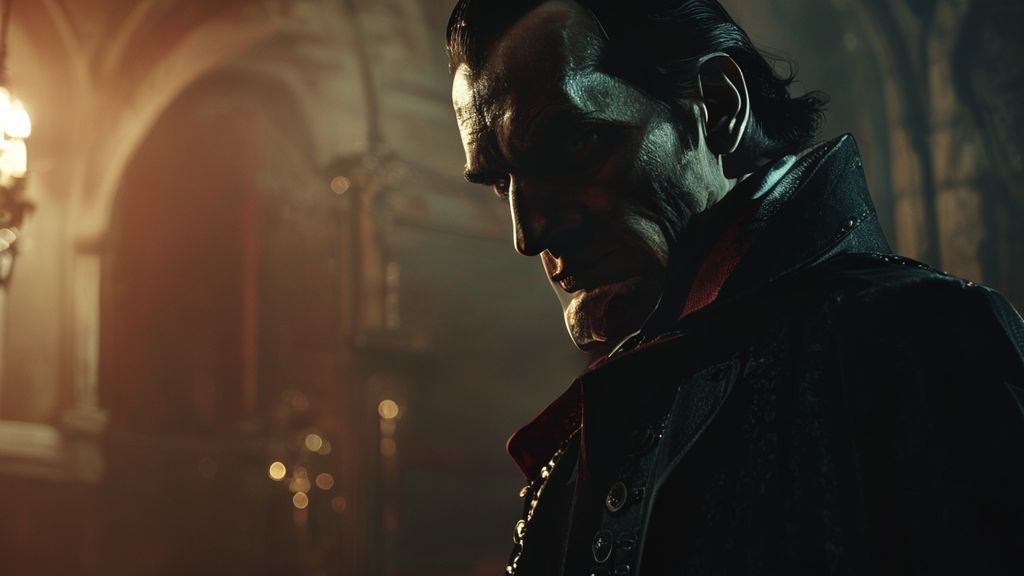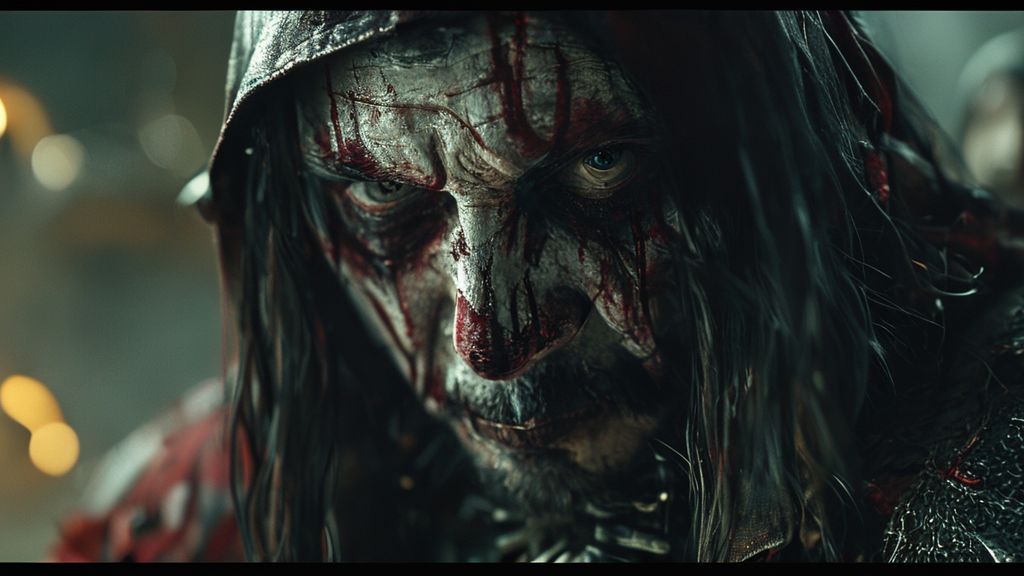
Before Dracula popularized the image of the elegant vampire with a cape, rural Romanian folklore already feared something much more grotesque and dangerous: the Strigoi. These creatures are the true 'vampires' of Balkanic mythology, tormented souls that emerge from their tombs to feed on the life force (not always liquid blood) of the living, usually starting with their own family members.
The belief in the Strigoi is so deeply rooted that, even in modern times, there have been reports of villagers exhuming corpses to perform rituals of 'definitive death'. A distinction is made between the 'Strigoi vi' (living witch) and the 'Strigoi mort' (reanimated corpse). It was believed that people born with a 'shirt' (placenta over the head), illegitimate children, those who died unbaptized, or those who led a sinful life were predisposed to become Strigoi after death.
The Strigoi mort is described as a swollen corpse, with reddish skin (due to the consumed blood), and hair and nails that continue to grow in the tomb. It does not shine in the sun, nor is it a seducer; it is a plague, a parasite that brings disease, death of livestock, and poor harvests to the village. To combat a Strigoi, the rituals were macabre and precise: exhumation of the body, driving a stake (of iron, ash, or hawthorn) into the heart, cutting off the head, placing garlic in the mouth, or burning the heart and giving the ashes mixed with water to the sick family members to cure them.