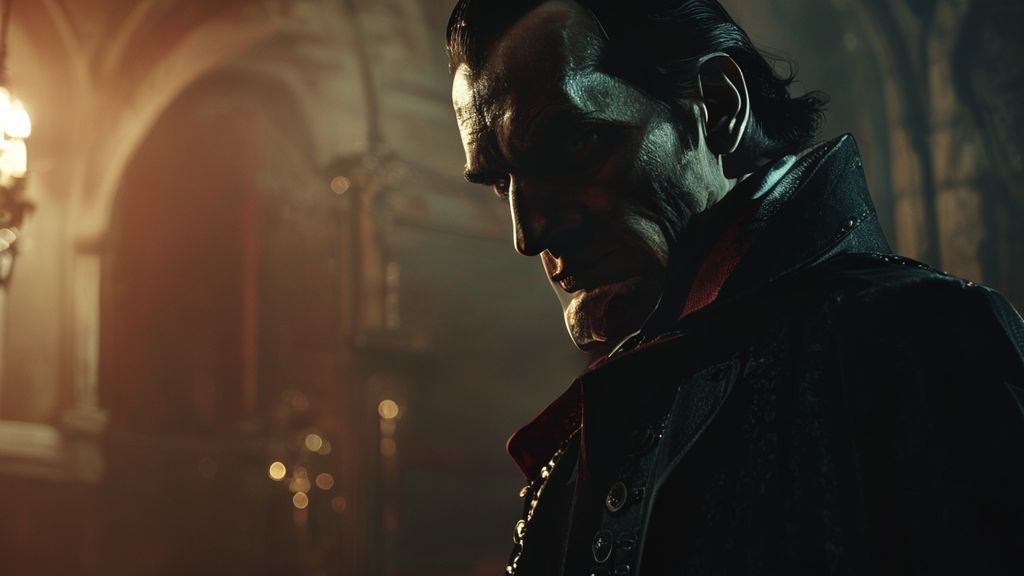
Few figures have undergone such a radical transformation as Vlad III, Voivode of Wallachia, known as Vlad Tepes ('the Impaler') and Dracula ('son of the Dragon/Devil'). For the Western world, thanks to the pen of Irish author Bram Stoker, he is the definitive aristocratic vampire. But for historians and the Romanian people, Vlad is a complex historical figure, a brutal national hero who defended Christianity and the independence of his land against the unstoppable advance of the Ottoman Empire in the 15th century.
The vampire legend is fed by the bloody reality of his reign. Vlad lived in an era of constant betrayals and extreme violence. To impose order and strike terror into his enemies (both internal corrupt boyars and external Turks), he perfected the method of impalement: a wooden stake inserted through the rectum and exiting through the mouth or back, without damaging vital organs, prolonging the agony for days. The famous 'Forest of the Impaled,' where Mehmed II encountered 20,000 rotting bodies raised on stakes, is a historical fact that surpasses any horror fiction.
The vampire myth originated from the propaganda of his enemies (Saxons and Ottomans) who printed pamphlets describing him as a bloodthirsty monster who ate bread soaked in the blood of his victims. Stoker took this name and reputation for cruelty and fused them with Romanian folklore about the 'strigoi' (evil spirits). Thus, Count Dracula was born. However, in Romania, Vlad is remembered as a just but severe leader who eradicated crime and corruption. The legend of Dracula is, ultimately, the story of how political propaganda and fear can transform a flesh-and-blood man into an immortal monster, blurring the line between a bloodthirsty tyrant and a supernatural beast.