In the profound worldview of Mesoamerica, the boundary between human and animal is far more porous than the modern Western mind can conceive. There, among indigenous peoples and in the memory of the land, dwells the Nahual. This is not simply a werewolf or a shapeshifter from horror films; Nahualism is a complex system of spiritual, magical, and social beliefs that has survived millennia.
The word 'nahual' (or nagual) comes from the Nahuatl 'nahualli,' which can be interpreted as 'disguise,' 'hidden,' or 'my attire.' In its purest and most ancestral sense, it refers to the spirit-animal companion that each person has from birth. According to the sacred calendar and the day one is born, they are linked to an animal: a jaguar, an eagle, a dog, a hummingbird. The person's destiny and character are tied to those of their animal. If the animal suffers in the wilderness, the person falls ill at home. It is an indissoluble, vital connection.
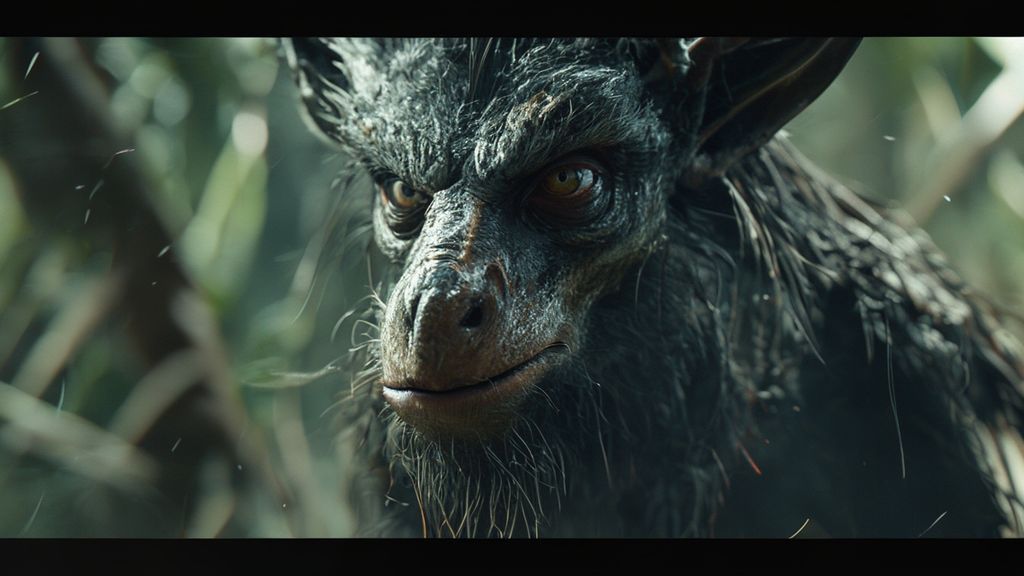
However, the most widespread and feared legend refers to the 'nahual sorcerers.' These are individuals with extraordinary spiritual power who have the ability to physically transform into their protective animal or other beasts at will, usually under the cloak of night. To achieve this metamorphosis, it is said they perform secret rituals: spinning on their own axis, reciting ancient prayers in forgotten tongues, or even removing parts of their body (such as legs or eyes) to leave them at home while they venture out into the world in animal form.
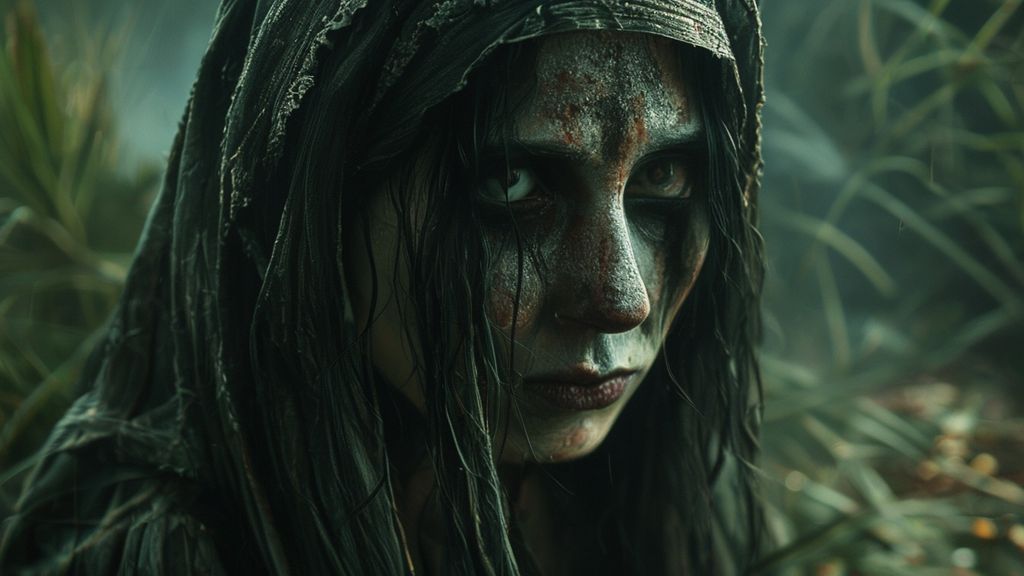
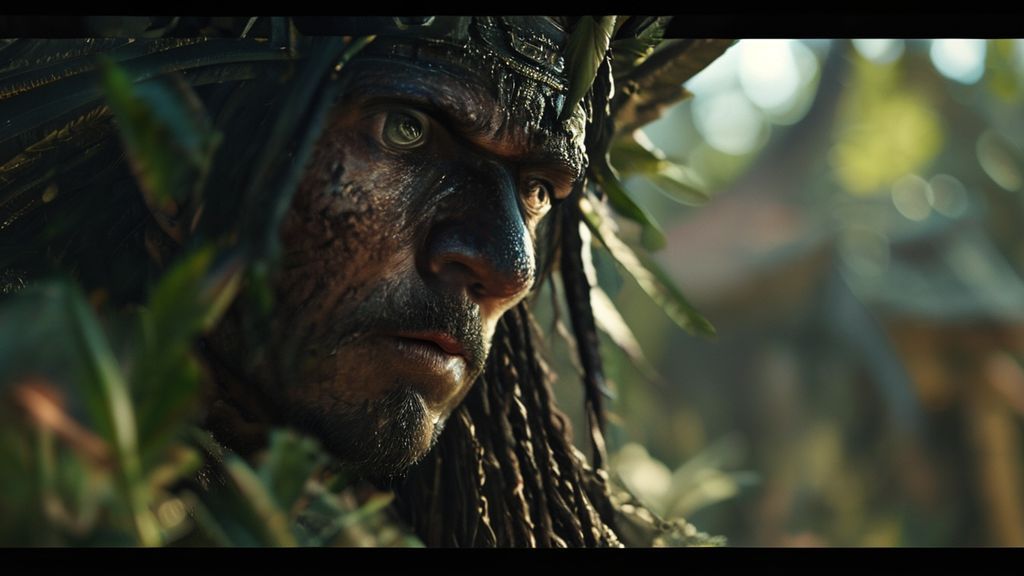
Nahual sorcerers are ambivalent figures. In pre-Hispanic times, they could be wise men, counselors, elite warriors, or community protectors who used their power to guard crops, predict weather, or defend their people from enemies. But after the Spanish conquest and the imposition of Christianity, the nahual figure was demonized. It was associated with malignant witchcraft and the Devil. Thus, in many communities, the nahual came to be seen as a dangerous being: a sorcerer who transforms into a black dog, a coyote, a donkey, or a giant guajolote (turkey) to steal livestock, scare people, cast curses, or suck the blood of children (a characteristic shared with witches, the tlahuelpuchis).
Rural tales are full of encounters with nahuales. Peasants who wound an aggressive coyote in the leg with a machete, only to find the neighbor suspected of being a sorcerer limping the next day with an identical leg wound. This 'proof' of the shared wound is a classic trope of the myth. It is said that the nahual does not have the gaze of an animal; their eyes retain human intelligence and malice, and sometimes, they can speak or laugh with a human voice.
To protect oneself from a malevolent nahual, common firearms are often useless. Faith, prayers, or specific rituals are needed, such as placing a hat face up, wearing clothes inside out, or drawing protective circles. But the vision of the nahual as a guardian also persists. In some regions of Oaxaca or Chiapas, spiritual leaders are respected as powerful nahuales who maintain natural and social balance.
The Nahual represents human duality: the struggle between reason and instinct, between civilization and the wild nature we carry within. It reminds us that we are not masters of nature, but part of it, and that there are invisible forces and connections that science cannot explain. In the darkness of the Mexican night, when an animal stares at you intently from the undergrowth and you feel an unusual chill, the doubt always arises: is it just an animal, or is it someone watching you from another skin?