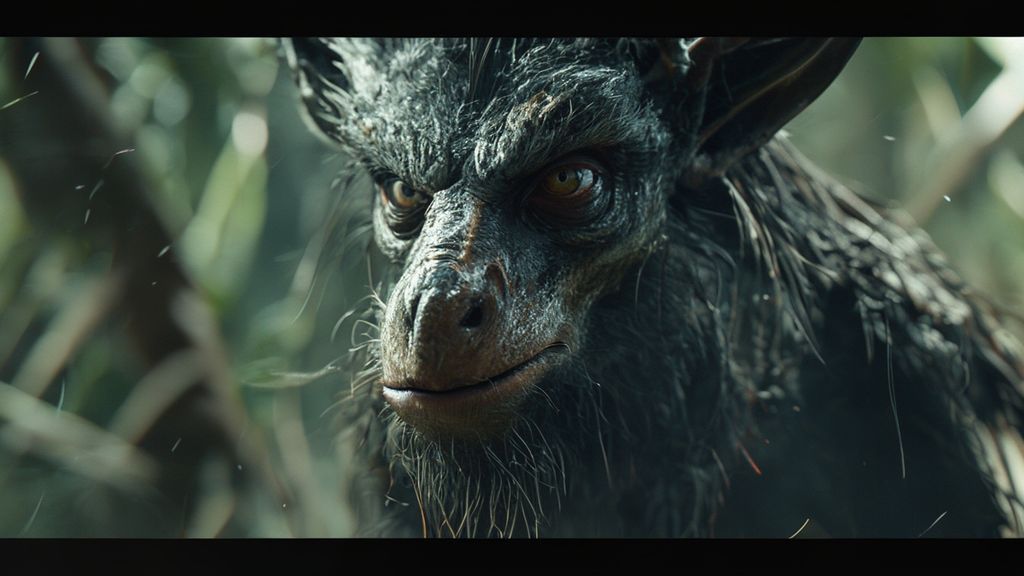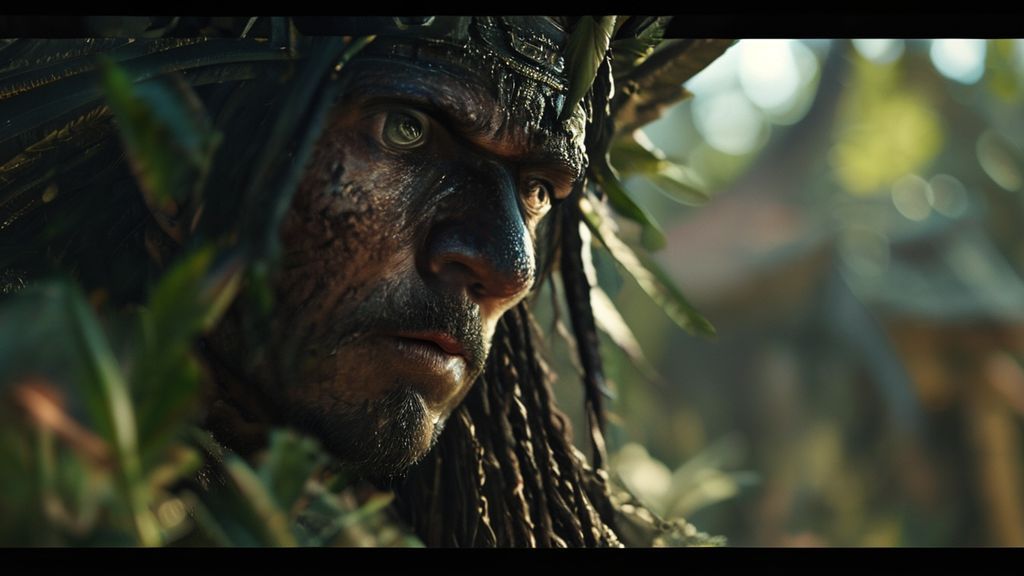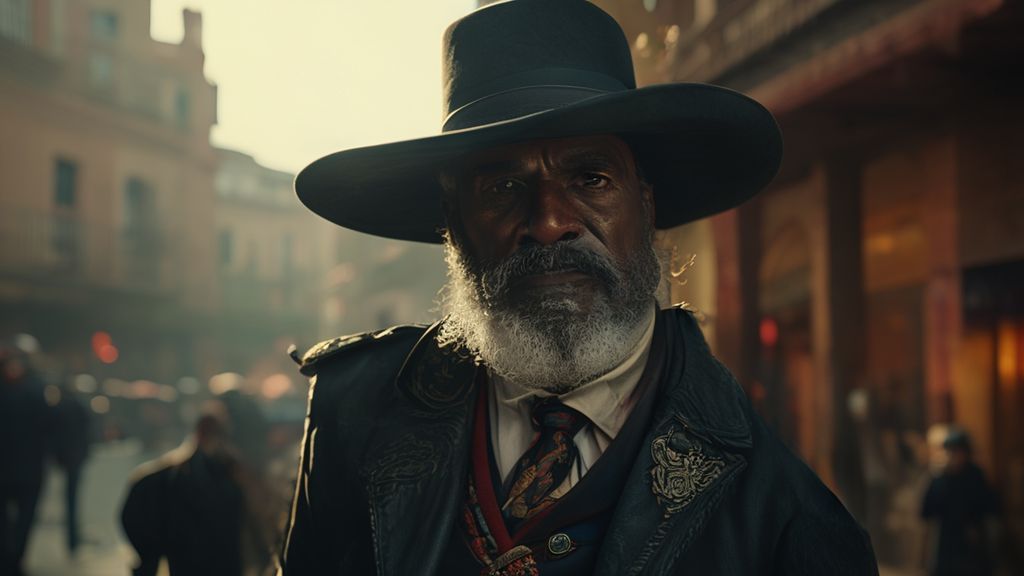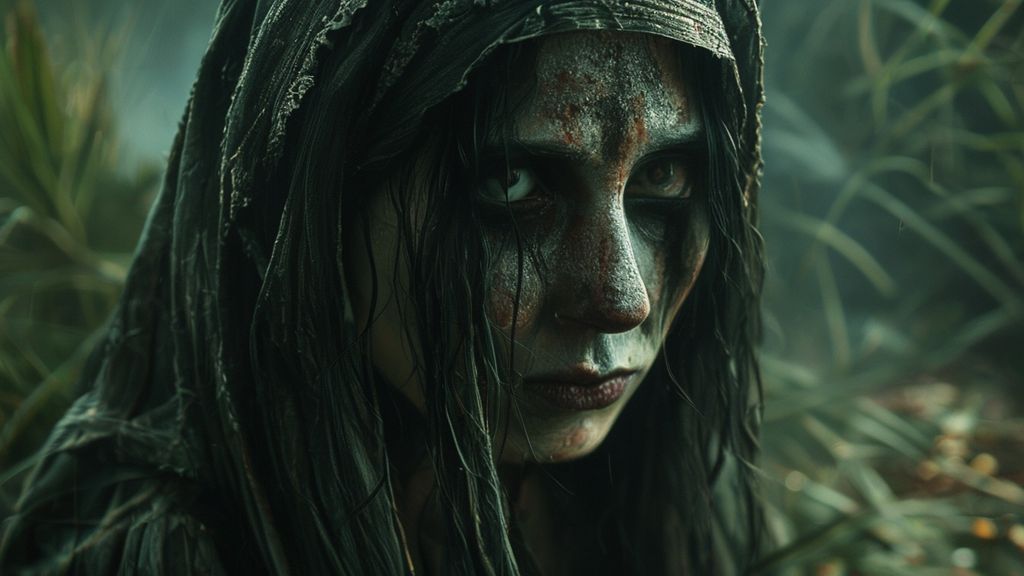
The most popular, colonial version tells of a mestiza or indigenous woman of immense beauty who fell deeply in love with a Spanish gentleman. They had children—two or three, depending on the account—and lived in secret. She loved him devotedly, but he, pressured by social norms and his aristocratic family, never made their union official. One day, the gentleman announced he would marry a high-born Spanish lady, abandoning his lover and their illegitimate children. Blinded by grief, madness, and jealousy, the woman took her little ones to the river. There, in an act of horrific desperation, she drowned them with her own hands. When the current carried away their inert bodies and the fog of madness dissipated, the woman understood what she had done. Her repentance was so brutal that she died right there, from grief, or committed suicide by throwing herself into the water.
But her death was not the end. God, or fate, punished her to wander eternally in limbo, trapped between the world of the living and the dead, relentlessly searching for the souls of the children she herself destroyed. She is said to appear near rivers, lakes, and crossroads, dressed in a flowing white tunic, her long black hair floating like algae in the water, and her face hidden or transformed into a horse's skull or a gaunt visage.
However, for historians and anthropologists, La Llorona is much older than the colonial era. Her roots delve into the pre-Hispanic world. She is associated with the goddess Cihuacóatl, the serpent goddess, protector of women who died in childbirth. The chronicles of Fray Bernardino de Sahagún narrate that, years before the arrival of Hernán Cortés, a woman was heard crying out at night in Tenochtitlán: 'My little children, we must now go far away' or 'My little children, where shall I take you?'. It was an omen, a divine warning of the imminent destruction of the Aztec empire. In this sense, La Llorona is the mother of the mestizo race, weeping for the fall of her indigenous children and the painful birth of a new nation.
An encounter with La Llorona is an omen of misfortune. Her wail is said to have a deceptive, supernatural quality: if heard far away, it means she is dangerously close, breathing beside you; if heard nearby, it means she has already moved away. To philandering or drunken men who wander at night, she appears as an attractive woman from behind. When they follow her and manage to make her turn around, she reveals her spectral face, leaving them insane or dead with fear.
La Llorona functions as a powerful social and moral control. She warns mothers about the care of their children, men about infidelity and vice, and everyone about the irreversible consequences of impulsive acts. But beyond the moral lesson, her figure persists because she embodies the universal pain of loss. What is more terrible than the death of a child? Only one thing: being the cause of that death. This eternal guilt is the fuel that keeps La Llorona walking night after night, century after century, making her the saddest and most solitary ghost in history.